International Mentoring Center


IMC Madagascar: Helping Bridge The Economic Divide of a High-Potential Nation.

Let’s together transform Madagascar’s potential into a weapon of massive development.

IMC Membership

Join the membership to get discounts on credentials, access mentoring resources and templates, and engage with an international mentoring community. Become a Member.

IMC Credential

Obtain the CAM, CPM, or CMM Credentials from IMC to advance in your career and increase your credibility as a mentor. Start your Application.

IMC

IMC Accreditation

Obtaining IMC accreditation for your training facility or organization can help you gain international recognition and optimize your mentoring impact. Get your Accreditation.

Mentoring in Organizations

Display your commitment to employee learning and development by getting an IMC Accreditation for your organization. Apply to be Accredited.

IMC in Madagascar

Mentoring is reshaping the way Madagascar looks at itself. And this in turn attracts global attention. With a wide range of mentoring programs in place, the nation is taking one step at a time transitioning from a purely subsistence-based economy to that of a productivity-based one that includes other industries. 

Mentoring drives the economic pathway of Madagascar in the following way:

  • Youth employment through large-scale national programs
  • Higher agricultural productivity through training and mentoring
  • Empowering women entrepreneurs through targeted mentoring
  • Strengthening the MSME ecosystem

Though Madagascar faces structural challenges, the future is bright. Infusing the economy with the right structural mentoring will undoubtedly change the approach of the nation over a period of time.

🇲🇬 Mentoring in Madagascar Key Statistics

Fully attributable statistics on how mentoring drives MSME growth, youth employment, agricultural entrepreneurship, and women's economic empowerment — sourced from public, auditable reports.

As of August 2026 · Sources: INSTAT, WFP, IFC, IZA, DHL GoTeach, PROGRES
▶ MSME Ecosystem Impact VERIFIED
Micro, Small & Medium Enterprises (MSMEs) INSTAT 2024 · IFC
MSME contribution to GDP 60%+of national output
60%+
Formal MSMEs registered 250,000+formalised enterprises
250k+
MSME employment share 60%of the active population
60%
Informal sector contribution 24%of GDP
24%
Sources: INSTAT (via UN SDGs) – 80% of enterprises represent over 250,000 formal MSMEs, employing ~60% of the active population; informal sector contributes 24% of GDP[reference:0] · IFC – MSMEs contribute over 60% of GDP[reference:1]
▶ Agriculture Sector VERIFIED
Agriculture – Backbone of the Economy WFP 2024 · Coface
Agriculture contribution to GDP 24%of national output
24%
Agriculture employment share 80%of the working population
80%
Rural population share 81.6%of active population in rural areas
81.6%
Sources: WFP – Agriculture accounts for ~24% of GDP and employs almost 80% of the working population[reference:2] · Coface – Agriculture accounts for 22.5% of GDP and 69% of employment (2023)[reference:3] · 81.6% of active population in rural areas[reference:4]
▶ Youth Employment & Entrepreneurship VERIFIED
Youth Labour Market & Entrepreneurial Ambition Afrobarometer 2024 · Macrotrends
Youth unemployment rate (2024) 5.39%ages 15–24
5.39%
Youth preferring entrepreneurship 63%of young people
63%
New entrants to labour market annually 500,000young people each year
500k
Higher education attainment (youth) 2%of young people have tertiary education
2%
Sources: Macrotrends – Youth unemployment rate for 2024 was 5.39%[reference:5] · Afrobarometer – 63% of youth prefer entrepreneurship; 500,000 young people enter the labour market each year[reference:6][reference:7] · 81.6% of active population in rural areas, only 2% of youth have higher education[reference:8]
▶ Youth Agricultural Programmes VERIFIED
Training & Mentoring in Agriculture IZA 2026 · Extension Journal
Income increase (training + mentoring) Significantenhancement from targeted activities
✓
Monthly farm income (before) 142,300 Ar(~$30 USD)
142k Ar
Monthly farm income (after) 284,600 Ar(~$60 USD) — doubled
284k Ar
Youth reporting agricultural self-employment 22.6% → 54.1%increase after programme
54.1%
Sources: IZA Discussion Paper – Integrated training and livelihoods programmes significantly enhance income from targeted activities[reference:9] · Extension Journal – Average monthly farm income doubled from 142,300 to 284,600 Ariary; youth reporting agricultural self-employment rose from 22.6% to 54.1%[reference:10]
▶ Large‑Scale Youth Programmes VERIFIED
PROGRES & GoTeach Initiatives FIDA · DHL Group
PROGRES — beneficiaries 650,000individuals from 130,000 households
650k
PROGRES — regions covered 12regions across Madagascar
12
PROGRES — youth & women 60%youth (18–30) · 40% women
60%
PROGRES — jobs created 50,000new employment opportunities
50k
GoTeach — participants reached 7,000+youth across five regions
7k+
GoTeach — permanent employment 40participants gained permanent roles at DHL
40
Sources: PROGRES – 650,000 beneficiaries from 130,000 households across 12 regions; 60% youth (18–30), 40% women; creation of at least 50,000 jobs[reference:11][reference:12] · GoTeach – Over 7,000 participants across five regions; 40 participants gained permanent employment at DHL[reference:13]
▶ Women's Entrepreneurship VERIFIED
Women Entrepreneurs & Access to Finance IFC 2025 · L'Express 2026
Women-led formal enterprises 30%of formal businesses
30%
Women-owned MSMEs (share) 37%of all MSMEs
37%
Women's MSME finance gap 44%of total MSME finance gap
44%
MSME formal financing gap 24%of GDP
24%
Bank loan access (all enterprises) 8%of businesses access bank loans
8%
Sources: L'Express – ~30% of formal enterprises in Madagascar are currently led by women[reference:14] · IFC – Women own an estimated 37% of MSMEs but account for ~44% of the total MSME finance gap; formal financing gap for MSMEs is estimated at 24% of GDP[reference:15] · World Bank – Only 8% of enterprises access bank loans[reference:16]
▶ Key Insights — Madagascar

MSME Backbone

60%+

MSMEs contribute over 60% of Madagascar's GDP and employ 60% of the active population.

INSTAT · IFC

Agricultural Foundation

80%

Agriculture employs 80% of the workforce and accounts for 24% of GDP — a key target for mentoring.

WFP (2024)

Youth Entrepreneurship Ambition

63%

Of young people prefer entrepreneurship, yet 500,000 new entrants join the labour market each year.

Afrobarometer (2024)

Farm Income Doubled

142k→284k Ar

Monthly farm income doubled from 142,300 to 284,600 Ariary through agricultural training and mentoring.

Extension Journal

PROGRES Scale

650,000

Beneficiaries reached across 12 regions, with 60% youth and 40% women, creating 50,000 jobs.

FIDA / PROGRES

Women's Finance Gap

44%

Women own 37% of MSMEs but face 44% of the total MSME finance gap — a critical mentoring opportunity.

IFC (2025)
Data Certification: Every indicator presented above is sourced from publicly available, auditable reports published by INSTAT (via UN SDGs), the World Food Programme (WFP), the International Finance Corporation (IFC), the Institute of Labor Economics (IZA), the International Fund for Agricultural Development (FIDA/PROGRES), DHL Group (GoTeach), Afrobarometer, Macrotrends, and the Extension Journal. No program-level estimates, internal monitoring data, or unaudited figures are included. All numbers are independently verifiable.
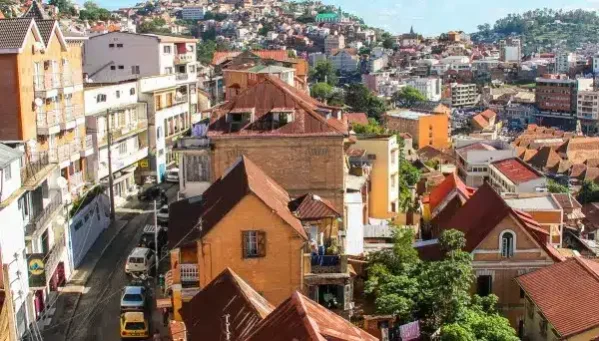

Upcoming Chapters

Antananarivo

Antananarivo

Status: Launching Soon

Toamasina

Toamasina

Status: Launching Soon

Antsirabe

Antsirabe

Status: Launching Soon

Benefits of Mentoring in Madagascar Impact Delivery

How structured mentorship drives MSME growth, youth employment, agricultural development, and women's economic empowerment — building resilience and opportunity aligned with Madagascar's national development priorities.

As of August 2026 · Sources: INSTAT · WFP · IFC · IZA · FIDA/PROGRES · DHL GoTeach · Extension Journal

Economic & MSME Development Benefits

MSME Backbone of the Economy

INSTAT data confirms that MSMEs contribute over 60% of Madagascar's GDP and employ 60% of the active population. The informal sector, a critical component of the MSME ecosystem, contributes 24% of GDP. The Kenya National Bureau of Statistics (KNBS) survey indicates that MSMEs contribute approximately 40% to Kenya's GDP, emphasizing the significant role of small businesses across the continent.

PROGRES Programme — Large-Scale Economic Inclusion

The PROGRES programme, supported by FIDA, aims to reach 650,000 beneficiaries from 130,000 households across 12 regions of Madagascar, with 60% youth (18–30) and 40% women. The programme is expected to create at least 50,000 new jobs, demonstrating the transformative potential of structured mentoring and economic inclusion initiatives.

Women-Led Enterprises & Access to Finance

The IFC reports that women own an estimated 37% of MSMEs in Madagascar but account for approximately 44% of the total MSME finance gap. Women-led formal enterprises represent 30% of formal businesses, while the formal financing gap for MSMEs is estimated at 24% of GDP, with only 8% of enterprises accessing bank loans. This highlights a critical mentoring opportunity to connect women entrepreneurs with financial services and business development support.

Youth Employment & Agricultural Benefits

Youth Entrepreneurship & Labour Market Entry

According to Afrobarometer data, 63% of young people in Madagascar prefer entrepreneurship, yet 500,000 new entrants join the labour market each year. The youth unemployment rate in 2024 was 5.39%, while 81.6% of the active population lives in rural areas, and only 2% of young people have attained higher education. This creates a significant opportunity for mentoring to bridge the skills gap and support youth entrepreneurship.

Agricultural Training & Income Doubling

Research published in the Extension Journal documented that integrated training and livelihoods programmes significantly enhance income from targeted activities. In Madagascar, average monthly farm income doubled from 142,300 Ariary (~$30 USD) to 284,600 Ariary (~$60 USD) through training and mentoring. Youth reporting agricultural self-employment rose from 22.6% to 54.1% after participating in the programme, demonstrating the powerful impact of mentoring on rural livelihoods.

GoTeach Programme — Corporate Mentoring

DHL Group's GoTeach programme in Madagascar has reached over 7,000 participants across five regions since 2022, with 40 participants gaining permanent employment at DHL. The programme includes mentoring, soft skills development, and career guidance for youth, demonstrating how corporate mentoring can create tangible employment pathways.

Women's Empowerment & Professional Benefits

Women's Entrepreneurship & Economic Independence

With women owning 37% of MSMEs but facing 44% of the finance gap, mentoring programmes are critical to bridging this divide. Initiatives like PROGRES are specifically targeting women entrepreneurs (40% of beneficiaries), providing them with business mentoring, access to finance, and market linkages to enable economic independence and sustainable enterprise growth.

Youth Agricultural Self-Employment

The IZA Discussion Paper No. 18713 (2026) confirmed that integrated training and livelihoods programmes significantly enhance income from targeted activities. The Extension Journal documented that youth reporting agricultural self-employment rose from 22.6% to 54.1%, demonstrating the transformative impact of mentoring on rural youth employment and economic independence.

Professional Mentoring & Career Advancement

The GoTeach programme illustrates how corporate mentoring can drive professional development and career advancement. By providing structured mentoring, soft skills training, and direct employment pathways, the programme has successfully integrated 40 participants into permanent roles at DHL, while thousands more have gained valuable skills for the broader job market.

Accreditation Process

How Organizations in Madagascar Can Get IMC Accreditation

To maintain the highest level of standards in global mentoring, IMC has a rigorous review system to audit your organization’s program quality as part of our strict accreditation process requirements in Madagascar.

Your organization can opt to provide a mentoring program with more than 20 hours of training or a shorter one. This can get you a training accreditation or an endorsed training accreditation.

Your program must include mentoring skills and domain or knowledge development so as to be eligible for accreditation. Every program must incorporate the following three sections compulsorily

  1. The IMC Definition of Mentoring
  2. The IMC Code of Conduct and Ethics
  3. The IMC Core Competencies (minimum of 3 are must for accreditation)

The programs must provide participants with the necessary skills for each credential and ensure that the trainer is the primary mentor supervisor for at least a year.

The accreditation will be valid for three years from the date of issue.

The Accreditation Application Flow

The entire accreditation application process takes around four to six weeks. 

Stage 1: Organization Details

Stage 2: Program Details

Stage 3: Instructor Details

Stage 4: Terms and Conditions

Following a successful review, you’ll receive an email notification confirming your IMC accreditation status and a media kit to display your accreditation.

Please feel free to contact us for any further clarification

FAQs

For more details or to express your interest in joining the mentoring network in Madagascar, you can contact the IMC Madagascar Region Management Team directly through the main IMC support channels on the website.

By joining us as a member: 

  • You gain access to a comprehensive ecosystem of mentoring credentials, certifications, and accreditations. 
  • You can enjoy membership perks and can make use of resources to upgrade your mentoring ability. 
  • Additionally, organizations can include mentoring as part of their company and endow the workforce with productive tools to enhance mentoring skills.
  • Antananarivo 
  • Toamasina 
  • Antsirabe

As a chapter leader in IMC Madagascar:

  • Get opportunities to develop mentoring programs 
  • Collaborate with other mentors 
  • Increase community engagement 
  • Gain access to IMC-exclusive resources
  • Elevate your role & continue your professional and personal growth through mentoring, certifications, and credentials

You have so many opportunities to be involved with the IMC Madagascar region—

  • Access to a comprehensive ecosystem of mentoring credentials, certifications, & accreditations.
  • Discounts on credentials and benefits from membership perks.
  • Access to resources that help enhance mentoring skills.

The International Mentoring Center Madagascar region offers the following three credentials if you meet the eligibility criteria:

  • Certified Associate Mentor
  • Certified Professional Mentor
  • Certified Master Mentor

You must earn 20 Mentor Development Credits (MDCs) and pay a renewal fee of $149. The 20 MDCs are achieved through credits earned from mentoring education, mentoring experience, and organization-based development. 
Additionally, you must complete at least 5 mentoring sessions in a year.

Join IMC Madagascar